
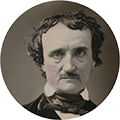
爱伦·坡《The Raven 乌鸦》深度解析:Nevermore、死亡与永恒哀伤的象征意义
献给那些曾永失至爱的人
埃德加·爱伦·坡的诗《The Raven》,全文共有十八节,”Nevermore” 是乌鸦重复的哀鸣,作者借着乌鸦之口,一次又一次地说出”Nevermore” ,象征着绝望与永逝。
Nevermore 的翻译:再无可再,永不复还,永不复焉,永无再会,再也不会,
The Raven
By Edgar Allan PoeOnce upon a midnight dreary, while I pondered, weak and weary,
Over many a quaint and curious volume of forgotten lore—
While I nodded, nearly napping, suddenly there came a tapping,
As of some one gently rapping, rapping at my chamber door.
“’Tis some visitor,” I muttered, “tapping at my chamber door—
Only this and nothing more.”
一个沉闷的午夜,疲惫,虚弱
我正对着一堆稀奇古怪、早已被世人遗忘的古籍沉思——
正当我浑浑噩噩,昏昏欲睡,突然,传来一阵敲击声,
仿佛有人正轻轻地,轻轻地敲着我的房门。
我低声嘀咕着,“一定是某个访客敲着我的房门”
——仅此而已,别无其他。”
● 赏析: 开篇立刻营造出深夜、孤独、神秘与不安的氛围。主人公深夜读书,希望借此麻痹自己。他不是闲着。他正在努力让自己不要想起蕾诺尔 Lenore。在此,读书不是求知,而是逃避。
Ah, distinctly I remember it was in the bleak December;
And each separate dying ember wrought its ghost upon the floor.
Eagerly I wished the morrow;—vainly I had sought to borrow
From my books surcease of sorrow—sorrow for the lost Lenore—
For the rare and radiant maiden whom the angels name Lenore—
Nameless here for evermore.
啊,我清晰地记得,那是在阴冷的十二月;
每一抹微弱、即将熄灭的余烬,都在地板上投下幽灵般的阴影。
我迫切地盼望着黎明;——因为我曾徒劳地试图从书本中寻求解脱,去终止痛苦——
那因失去蕾诺尔而生的痛苦—— 那个被天使们唤作蕾诺尔的、世间罕见且光彩夺目的
少女——而在人间,她的名字将再也不会被人记起。
● 赏析: 主人公深爱的人已经不在了。十二月是最后一个月份,象征着终点。余烬熄灭,火焰留下阴影,弥漫着亡故的气息。
And the silken, sad, uncertain rustling of each purple curtain
Thrilled me—filled me with fantastic terrors never felt before;
So that now, to still the beating of my heart, I stood repeating
“’Tis some visitor entreating entrance at my chamber door—
Some late visitor entreating entrance at my chamber door;—
This it is and nothing more.”
那紫色的绸缎窗帘,发出沙沙的、忧郁而飘忽的声响,
这声音让我毛骨悚然——让我的内心充斥着从未体验过的、荒诞的恐惧;
于是此时,为了安抚自己狂跳的心,我伫立着不断重复:
“这只是某个访客,正请求进入我的房门——
某个深夜的访客,正请求进入我的房门;——
仅此而已,再无其他。”
● 赏析: 真正恐怖的不是鬼,而是人的想象。害怕来自内心。
Presently my soul grew stronger; hesitating then no longer,
“Sir,” said I, “or Madam, truly your forgiveness I implore;
But the fact is I was napping, and so gently you came rapping,
And so faintly you came tapping, tapping at my chamber door,
That I scarce was sure I heard you”—here I opened wide the door;—
Darkness there and nothing more.
很快,我的内心变得坚强起来;于是,我不再犹豫,
我开口说道,“先生,或者女士,我真心恳求您的原谅;
我刚才确实睡着了,而您敲得又是如此温柔,
您那敲击房门的声音又是如此微弱,
以至于我几乎不敢确定自己是否真的听见”——说到这里,我猛地打开了门;——
门外只有一片漆黑,再无其他。
● 赏析:真正到来的是一片黑暗。
Deep into that darkness peering, long I stood there wondering, fearing,
Doubting, dreaming dreams no mortal ever dared to dream before;
But the silence was unbroken, and the stillness gave no token,
And the only word there spoken was the whispered word, “Lenore?”
This I whispered, and an echo murmured back the word, “Lenore!”—
Merely this and nothing more.
我凝视着那片深邃的黑暗,伫立良久,心中充满了惊疑与恐惧,
怀疑着,梦见了一直以来绝无凡人敢于涉足的梦境;
但沉默并未被打破,死寂也没有给出任何暗示,
那唯一被我说出的,只有一句轻声呼唤的:“蕾诺尔?”
这是我低声呼唤出的名字,而回音也随之呢喃着传回:“蕾诺尔!”——
仅仅如此,再无其他。
● 赏析:这里非常精彩。 蕾诺尔?… 蕾诺尔! 没有回应,只是回声。理性开始松动。诗人的情绪也会从 好奇 → 不安 → 痴迷 → 绝望,这是整首诗真正令人震撼的地方。
Back into the chamber turning, all my soul within me burning,
Soon again I heard a tapping somewhat louder than before.
“Surely,” said I, “surely that is something at my window lattice;
Let me see, then, what thereat is, and this mystery explore—
Let my heart be still a moment and this mystery explore;—
‘Tis the wind and nothing more!”
我转身退回房间,整个灵魂仿佛都在痛苦地燃烧,
很快,我又听到了敲击声,比刚才更响。
“想必,”我说道,“想必那声音是来自我的窗棂;
让我看看那儿究竟是什么,把这个谜团探个究竟——
让我狂跳的心平复片刻,把这个谜团探个究竟;——
那只是风,再无其他!”
● 赏析:没发现敲击声的来源,转而又去寻找。然后又安慰自己是风,寻求心理上的合理化。
Open here I flung the shutter, when, with many a flirt and flutter,
In there stepped a stately Raven of the saintly days of yore;
Not the least obeisance made he; not a minute stopped or stayed he;
But, with mien of lord or lady, perched above my chamber door—
Perched upon a bust of Pallas just above my chamber door—
Perched, and sat, and nothing more.
我猛推开窗户,伴随着一阵拍翅扑腾,
一只威严的乌鸦迈步走了进来,仿佛来自古老神圣的昔日;
它没有做出丝毫鞠躬行礼的姿态,也没有片刻的停顿或逗留;
而是带着领主或贵妇般的派头,飞到我的房门上——
栖息在紧挨着房门上方的一尊帕拉斯(雅典娜)半身雕像上——
它栖息,端坐,仅此而已。
● 赏析:乌鸦登场了,直接落到雅典娜胸像上。形成全诗最大的象征,智慧之上,坐着乌鸦,理性已经开始被压制。帕拉斯(Pallas):即雅典娜,象征着人类的理智、智慧与逻辑。
Then this ebony bird beguiling my sad fancy into smiling,
By the grave and stern decorum of the countenance it wore,
“Though thy crest be shorn and shaven, thou,” I said, “art sure no craven,
Ghastly grim and ancient Raven wandering from the Nightly shore—
Tell me what thy lordly name is on the Night’s Plutonian shore!”
Quoth the Raven “Nevermore.”
这只漆黑的鸟儿,凭借它那庄重、冷峻的神态,
竟让我忧郁的思绪泛起了一丝微笑。
“尽管你羽翼被剪,”我说道,“但你绝非怯懦之辈,
你这幽灵般阴森、古老的乌鸦,从冥界的彼岸而来——
请告诉我,你在那冥夜的彼岸,尊名为何!”
乌鸦答道:“再无可再”
● 赏析:主人公开始和乌鸦说话。把乌鸦正式神话化,问其是不是从冥界而来,叫什么名字?乌鸦之说了一个词——Nevermore再无可再。
Much I marvelled this ungainly fowl to hear discourse so plainly,
Though its answer little meaning—little relevancy bore;
For we cannot help agreeing that no living human being
Ever yet was blessed with seeing bird above his chamber door—
Bird or beast upon the sculptured bust above his chamber door,
With such name as “Nevermore.”
这只丑陋的鸟儿竟能如此清晰地说话,让我惊奇不已,
尽管它的回答并无太多意义——也几乎不着边际;
因为我们不得不承认,活着的人类当中,
还从未有人有幸见过,一只鸟伫立在房门上方——
一只鸟或野兽,栖息在房门上方雕刻的半身像上,
而且居然有着“再无可再”这样的名字。
● 赏析:主人公还保持正常判断。之后,理性开始快速崩塌。
But the Raven, sitting lonely on the placid bust, spoke only
That one word, as if his soul in that one word he did outpour.
Nothing farther then he uttered—not a feather then he fluttered—
Till I scarcely more than muttered “Other friends have flown before—
On the morrow he will leave me, as my Hopes have flown before.”
Then the bird said “Nevermore.”
然而那只乌鸦,独自坐在安详的半身像上,只说了
这一个词,仿佛他的整个灵魂都倾注在这一个词里。
随后它便绝口不提其他——连一根羽毛也不曾抖动——
直到我几乎只是在自言自语:“其他的伙伴早已离我飞走——
明天,它也会离开我,就像我的希望早已飞走一样。”
这时,那只鸟说道:“再无可再”
● 赏析:朋友都会离开,希望也会离开,一切都会离开,再无可再。
Startled at the stillness broken by reply so aptly spoken,
“Doubtless,” said I, “what it utters is its only stock and store
Caught from some unhappy master whom unmerciful Disaster
Followed fast and followed faster till his songs one burden bore—
Till the dirges of his Hope that melancholy burden bore
Of ‘Never—nevermore’.”
听到如此得体而贴切的回答,沉寂被打破,我不由心惊,
“毫无疑问,”我说道,“它所吐出的这唯一的话语,
定是跟它那不幸的主人学来;那主人曾遭厄运无情地
苦苦相逼,且步步紧随,直到他的歌声沦为一个调子——
直到他那希望的挽歌也承载起这忧郁沉重的叠句,
那便是——‘再无可再’。”
● 赏析:主人公又在合理化解释。
But the Raven still beguiling all my fancy into smiling,
Straight I wheeled a cushioned seat in front of bird, and bust and door;
Then, upon the velvet sinking, I betook myself to linking
Fancy unto fancy, thinking what this ominous bird of yore—
What this grim, ungainly, ghastly, gaunt, and ominous bird of yore
Meant in croaking “Nevermore.”
但那乌鸦依然逗引着我,让我那忧郁的幻想化为微笑,
我随即将一张舒适的软椅,推到那鸟、雕像和房门前;
然后,整个人陷进天鹅绒的椅垫中,我开始将
一阵阵的幻想串联起来,苦苦思索这只来自远古的凶鸟——
这只严厉、笨拙、可怖、枯瘦且不祥的远古之鸟,
它沙哑地啼叫着“再无可再”,究竟何意?
● 赏析:主人公开始研究起这只乌鸦,以及它带来的神谕。
This I sat engaged in guessing, but no syllable expressing
To the fowl whose fiery eyes now burned into my bosom’s core;
This and more I sat divining, with my head at ease reclining
On the cushion’s velvet lining that the lamp-light gloated o’er,
But whose velvet-violet lining with the lamp-light gloating o’er,
She shall press, ah, nevermore!
我坐着苦苦猜度,却不对这只鸟儿吐露半个字,
此时它那如火的烈眼,正灼烧着我内心最深处;
我坐着冥思苦想,头舒适地倚靠在
灯光久久凝望着的天鹅绒椅垫上,
可这片被灯火映照的紫罗兰丝绒软垫,
她再也无法倚卧,啊,再无可再!
● 赏析:看到紫色天鹅绒。想到蕾诺尔Lenore永远不会再坐在那里。那是永恒的失去。
Then, methought, the air grew denser, perfumed from an unseen censer
Swung by Seraphim whose foot-falls tinkled on the tufted floor.
“Wretch,” I cried, “thy God hath lent thee—by these angels he hath sent thee Respite—respite and nepenthe from thy memories of Lenore;
Quaff, oh quaff this kind nepenthe and forget this lost Lenore!”
Quoth the Raven “Nevermore.”
刹那间,我觉得空气渐趋浓密,香气来自隐形的神炉,
摆动它的是炽天使,其脚步声在厚毯上发出清脆的叮咚。
“可怜的人啊,”我喊道,“你的上帝借这些天使赐予了你——
赐予了你暂时的歇息——歇息与忘忧水,让你忘却对蕾诺尔的记忆;
饮吧,噢,饮下这甘甜的忘忧水,忘掉那逝去的蕾诺尔吧!”
乌鸦却道:“再无可再。”
● 赏析:天使降临,祈求忘忧;希望忘记,换来失败。
“Prophet!” said I, “thing of evil!—prophet still, if bird or devil!—
Whether Tempter sent, or whether tempest tossed thee here ashore,
Desolate yet all undaunted, on this desert land enchanted—
On this home by Horror haunted—tell me truly, I implore—
Is there—is there balm in Gilead?—tell me—tell me, I implore!”
Quoth the Raven “Nevermore.”
“先知!”我说道,“你这邪恶的化身!——无论你是鸟是魔,你终究是先知!——
无论是魔鬼派你前来,还是暴风雨将你抛上这片海岸,
孤苦无依却又无所畏惧,在这片被施了魔法的荒凉土地上——
在这座被恐怖缠绕的家园里——求你真诚地告诉我,我恳求你——
基列是否有止痛的香膏?——告诉我——告诉我,我恳求你!”
乌鸦却道:“再无可再。”
● 赏析:基列的香膏(Balm in Gilead)象征医治、救赎与灵魂的疗愈。意思是:我的灵魂还能被治好吗?乌鸦:再无可再。希望被治愈,结果又失败。
“Prophet!” said I, “thing of evil!—prophet still, if bird or devil!
By that Heaven that bends above us—by that God we both adore—
Tell this soul with sorrow laden if, within the distant Aidenn,
It shall clasp a sainted maiden whom the angels name Lenore—
Clasp a rare and radiant maiden whom the angels name Lenore.”
Quoth the Raven “Nevermore.”
“先知!”我说道,“你这邪恶的化身!——无论你是鸟是魔,你终究是先知!——
凭着我们头顶那片苍穹——凭着我们共同崇拜的上帝——
请告诉这饱浸哀伤的灵魂,在遥远的极乐天堂里,
它能否拥抱那位被天使称作蕾诺尔的圣洁少女——
拥抱那位被天使称作蕾诺尔、绝世而明媚的少女。”
乌鸦却道:“再无可再。”
● 赏析:质问上天,在天堂中,能否还能见到蕾诺尔?乌鸦:Nevermore.——再无可再,无可挽回,不可再来,永不复还
“Be that word our sign of parting, bird or fiend!” I shrieked, upstarting—
“Get thee back into the tempest and the Night’s Plutonian shore!
Leave no black plume as a token of that lie thy soul hath spoken!
Leave my loneliness unbroken!—quit the bust above my door!
Take thy beak from out my heart, and take thy form from off my door!”
Quoth the Raven “Nevermore.”
“就让这句话当作我们诀别的暗号,无论你是禽鸟还是恶魔!”我尖叫着猛然起身——
“回到狂风暴雨里,回到冥夜幽暗的彼岸!
不要留下一根黑羽,作为你灵魂吐出谎言的证物!
别扰乱我残存的孤寂!离开我房门上方的雕像!
将你的尖喙从我心口挪开,从我的门前消散你的身影!”
乌鸦却道:“再无可再”
● 赏析:主人公崩溃与愤怒。滚回冥界!离开雕像!真正让主人公崩溃的是他巨大的悲伤。
And the Raven, never flitting, still is sitting, still is sitting
On the pallid bust of Pallas just above my chamber door;
And his eyes have all the seeming of a demon’s that is dreaming,
And the lamp-light o’er him streaming throws his shadow on the floor;
And my soul from out that shadow that lies floating on the floor
Shall be lifted—nevermore!
而那乌鸦,从未飞去,依然盘踞,依然盘踞,
就在我门楣上方、那苍白的帕拉斯半身像上;
它的双眼流露出恶魔沉梦一般的目光,
倾泻而下的灯火,将它的阴影投落在地面;
而困于这片匍匐在地的暗影之中的我的灵魂,
将永远无法挣脱——再无可再!
● 赏析:乌鸦没有飞走,一直坐在那里。我的灵魂,将永远不能脱离这片阴影。理智的头顶,永远笼罩着阴郁的悲伤。爱伦·坡在结尾将动词时态悄然从过去时切换成了现在进行时——永恒的定格(still is sitting)。这意味着,前面的挣扎是过去发生的事,而此时此刻,这只乌鸦依然坐在那里。它不再只是一个深夜闯入的访客,而是变成了一个永恒的、无法摆脱的图腾。
十八节的一篇叙事诗,可以构成一个完整的心理轨迹。从开始的逃避和否认,到对一些奇异之处的好奇,再产生合理性解释,以自己内心的投射,产生对现实事物的非理性认知,认为是某种神谕,最后到情绪崩溃和被永恒的悲伤阴影笼罩。《乌鸦》的伟大,它揭示了一个深刻的心理真相:人类的情感往往会超越理性。苍白的帕拉斯半身像(pallid bust of Pallas):象征着人类的理智、智慧与逻辑。黑色的乌鸦与阴影(shadow):象征着疯狂、绝望、死亡与无法治愈的悲伤。黑色的鸟永远压在白色的理智雕像之上,流露出恶魔般的目光。乌鸦始终只会说同一个词;然而随着主人公从否认、幻想、追问到绝望,他不断赋予这个词新的意义。于是,乌鸦成为了他内心悲伤、罪疚、执念与死亡意识的化身。
这首诗寓意着悲伤中的绝望与疯狂彻底战胜了理智,叙述者的精神世界被终极黑暗所主宰。Nevermore变成了灵魂的无期徒刑(Shall be lifted—nevermore!):全诗的最后一句不再是由乌鸦说出,而是叙述者自己说出了“Nevermore”。他已经完全被乌鸦同化,认同了命运的宣判。地上的那片阴影(shadow)就是丽诺尔死后留下的绝望深渊,他的灵魂沉溺其中,永世不得翻身。
《乌鸦》全诗在这一片永恒的阴影中落下帷幕。爱伦·坡用精湛的音律、层层递进的心理描写以及高超的意象构建,完美地展现了一个人如何从最初的轻度忧伤,一步步走向理智崩溃,最终陷入万劫不复的永恒绝望。
本文版权归 byterain 所有。
未经作者同意,禁止以任何形式复制、转载或演绎。
如需转载或引用,请联系作者并获得授权。
原文链接: https://blog.overexposure.media/post/2026/07/edgar-allan-poe-the-raven-analysis/